

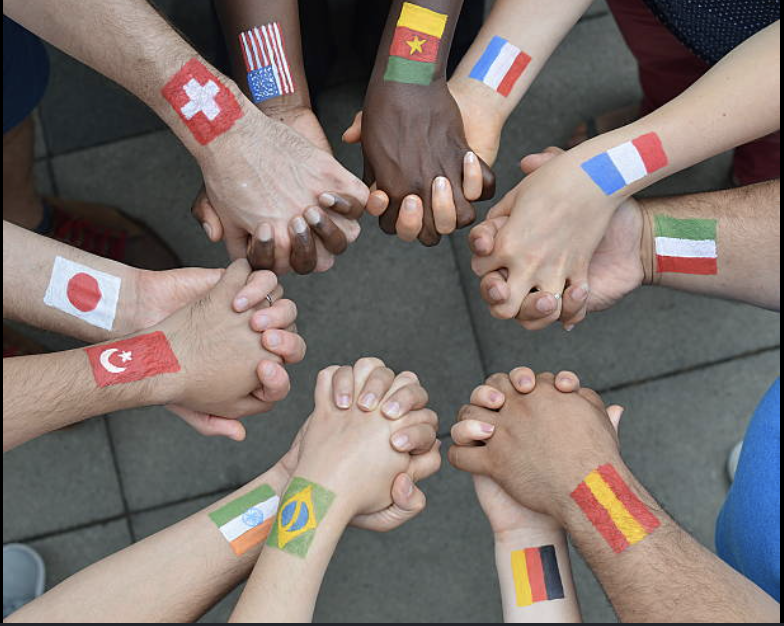
Many students go to school every day without seeing their culture represented. This might not seem like a big problem, but it actually affects how students feel about themselves and their place in school.
Cultural representation means including different traditions, languages, histories, and perspectives in school. When students see people like them in books, lessons, or teachers, they feel more comfortable and confident. They feel like they belong. On the other hand, when students never see their culture, they may feel invisible or unimportant.
Representation also helps students respect others. When schools teach about different cultures, students learn to understand each other better. This reduces stereotypes and discrimination. For example, learning about different holidays, foods, or traditions can help students appreciate diversity instead of judging it.
Another important reason is academic success. Students who feel included are more likely to participate in class and do better in school. If a student feels ignored or misunderstood, they may lose motivation.
Some people think that schools should focus only on basic subjects like math and science. However, education is not just about knowledge, it is also about building people. Schools should prepare students to live in a diverse world.
In conclusion, cultural representation in schools is very important. It helps students feel included, builds respect, and improves learning. Schools should make an effort to include all cultures so every student feels seen and valued.