

When athletes get injured, people often focus on the physical pain and recovery time — but injuries can also affect an athlete’s emotions, motivation, and confidence. For some, getting injured is just a temporary setback. For others, it can bring frustration, sadness, or anxiety. Student athletes Lily Newman, Gabe Gallo, and Maria Duffer reveal how different athletes experience the mental side of recovery — and how support makes a big difference.
“I just tried to stay positive.” — Lily Newman

Cross Country runner, Lily Newman, sprained her ankle, which temporarily put her on the sidelines. “When I sprained my ankle, it was definitely annoying because I couldn’t walk or play sports for a while,” she said. “But it didn’t really affect my mental health. I just tried to stay positive and focus on getting better.”
Instead of letting the injury bring her down, Newman used her time off to rest and catch up on things she enjoyed. “The pain was frustrating at first,” she admitted, “but I knew it was only temporary.” With encouragement from her friends, family, coaches, and teachers, Newman stayed patient through the recovery process. “Even though it was inconvenient, I stayed motivated and didn’t let it get me down.”
“I just make jokes and laugh it off.” — Gabe Gallo
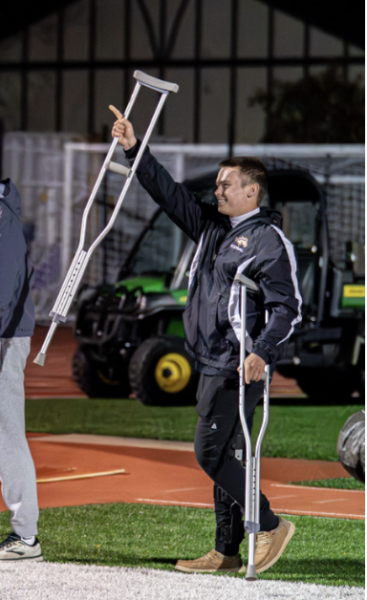
For Gabe Gallo, a torn ACL could have been a major emotional challenge — but he chose to handle it with optimism and humor. “Honestly, I really don’t think it has affected my mental health so far, and I don’t plan on letting it change me,” he said. “While it does for a lot of people, I just make jokes and mostly laugh it off.”
Gallo credits his positive attitude to the people around him. “Personally, I’ve had too many supporters to count,” he said. “I consider myself a social person, and I’ve built meaningful relationships with so many people in my high school life that at every turn there’s always someone looking out for me — whether it’s my parents, friends, family, or even coaches.”
Still, Gallo admits that everyday life hasn’t been easy. “With a leg injury, just getting from your bed to the table to eat dinner can be harder than it should be,” he explained. “Even putting clothes on is a long process.” Despite those challenges, Gallo continues to stay determined. “It’s hard to find a comfortable position in class, but I’ve found a way before and I’ll keep at it.”
“Watching my teammates play without me has been difficult.” — Maria Duffer
For Maria Duffer, who sprained her meniscus, the emotional impact of being sidelined has been more difficult. “Watching my teammates play without me has been difficult,” she said. “Not being able to play and not knowing how to fix my knee has been really
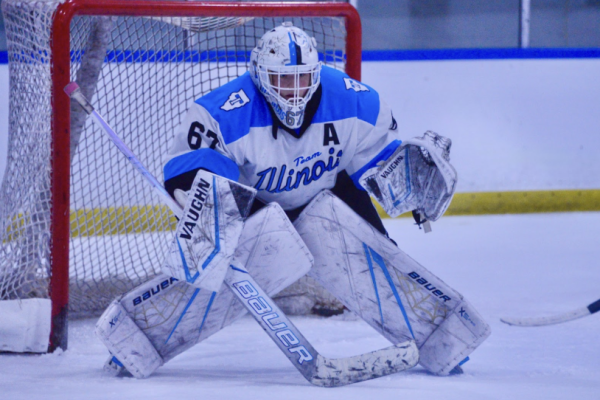
frustrating.”
Her injury has also affected her school life. “It’s hard to focus on schoolwork because I’m sad that I can’t play — it’s all I ever think about,” Maria admitted. Fortunately, she’s had a strong circle of supporters, including her dad, coach, teammates, and close friends. “They’ve really helped me feel better when I get down about it,” she added.
The Mental Game of Recovery
Each athlete’s story shows a different side of how injuries affect mental health. For Newman and Gabe, staying positive and focusing on the good things helped them stay strong. For Duffer, the emotional challenge of watching others play reminded her how connected mental health is to identity and motivation in sports.
What all three athletes share is the importance of support — from friends, family, and teammates — in helping them stay resilient. Injuries may take athletes out of the game temporarily, but with encouragement and the right mindset, they can return stronger than ever, both mentally and physically.